


The Energy Transition Is Also a Workforce Transition
The global energy sector is undergoing one of the most significant transformations in its history. As the transition towards lower-carbon energy systems accelerates, organisations across oil and gas, renewables, utilities and emerging technologies are adapting their operations, infrastructure and workforce capabilities. While much of the conversation around the energy transition focuses on new technologies and investment, one of the most critical factors is often the people responsible for operating, maintaining and supporting these systems.
Across the UK and beyond, there is growing recognition that the success of the energy transition will depend heavily on workforce capability. Many of the skills required for future energy systems already exist within the current workforce, particularly among those with experience in industrial operations, electrical systems and complex process environments. However, the challenge lies in ensuring that these skills can be transferred, adapted and expanded quickly enough to meet the demands of a changing industry.
Electrical Skills and High-Voltage Knowledge
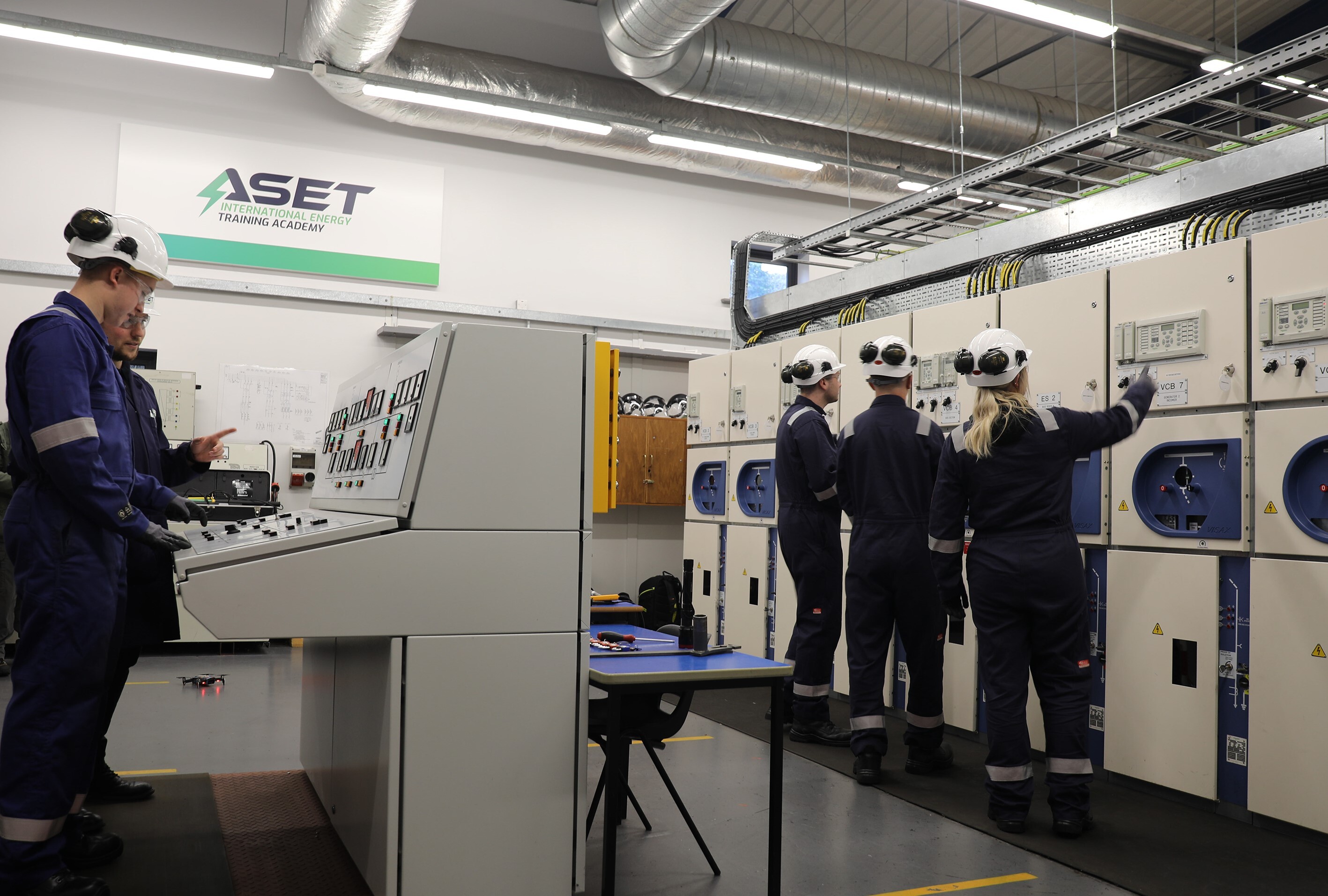
One of the most common training gaps emerging in transitioning energy workforces relates to electrical knowledge and high-voltage systems. As energy infrastructure becomes increasingly electrified, particularly through the growth of offshore wind, grid expansion and electrified industrial processes, the demand for people with strong electrical competencies is rising sharply. Professionals who have traditionally worked in mechanical, process or operational roles are increasingly required to understand electrical safety, switching procedures, and system protection. Without the right training pathways in place, this shift can create barriers for experienced workers who already possess valuable industry knowledge but require additional electrical expertise to move into new roles.
Hazardous Areas and Industrial Safety Environments
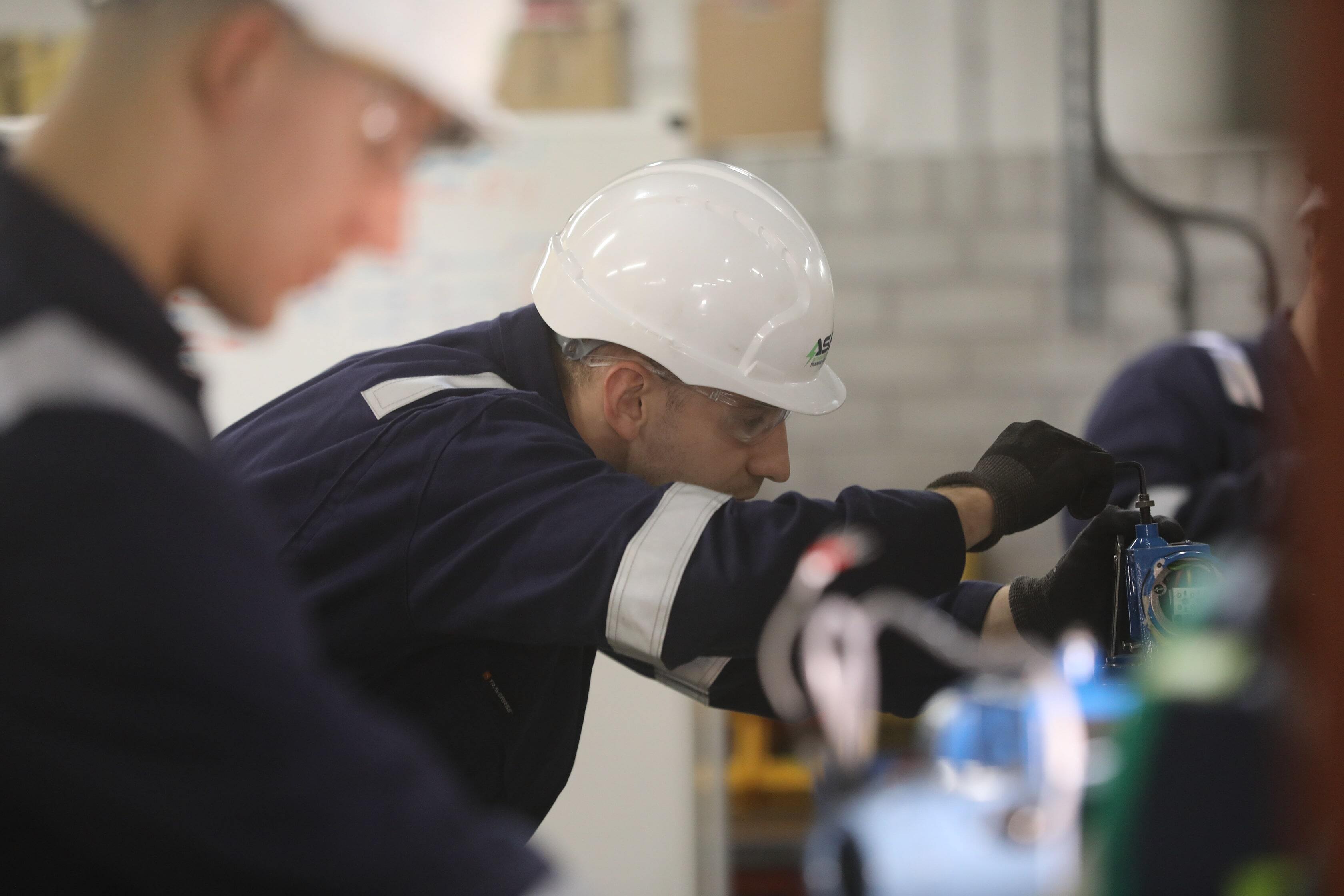
Another area where training gaps frequently appear is within hazardous areas and industrial safety environments. Many emerging energy technologies - including hydrogen production, carbon capture facilities and large-scale battery systems - operate in environments where explosive atmospheres or complex safety requirements are present.
For workers transitioning from other sectors, understanding hazardous area classifications, equipment standards and inspection requirements becomes essential. Without targeted training, there is a risk that otherwise highly capable personnel may lack the confidence or certification required to operate safely within these environments.

The Importance of Practical, Real-World Training
Practical operational experience also presents a challenge. In many cases, individuals transitioning into new energy roles may have strong theoretical understanding or relevant academic qualifications, but limited exposure to the real-world systems they will eventually work on.
This is particularly true in complex industrial settings where safety, reliability and operational continuity are critical. Training environments that can replicate real-world processes, equipment and fault scenarios allow individuals to gain hands-on experience before working on live systems. This type of training helps develop not only technical ability, but also the confidence needed to apply those skills in operational environments.
Preparing the Workforce for a Changing Energy System
As the industry continues to evolve, the ability to develop adaptable and highly skilled workforces will be one of the defining factors in the success of the energy transition. Bridging training gaps early - particularly in areas such as electrical systems, hazardous environments and practical operations — will help ensure that experienced professionals can move confidently between sectors.
With increased focus on workforce capability, initiatives designed to support skills development are expected to play an increasingly important role in the coming years. As the transition accelerates, ensuring that people have access to the right training at the right time will be essential in building a workforce capable of supporting a more diverse and sustainable energy system.
Relevant Courses